
Is Astrology Real? Here's What Science Says
This article does not try to force agreement. It explains the scientific criticism of astrology, the reasons people continue to use it, and the practical line between blind belief and meaningful guidance.
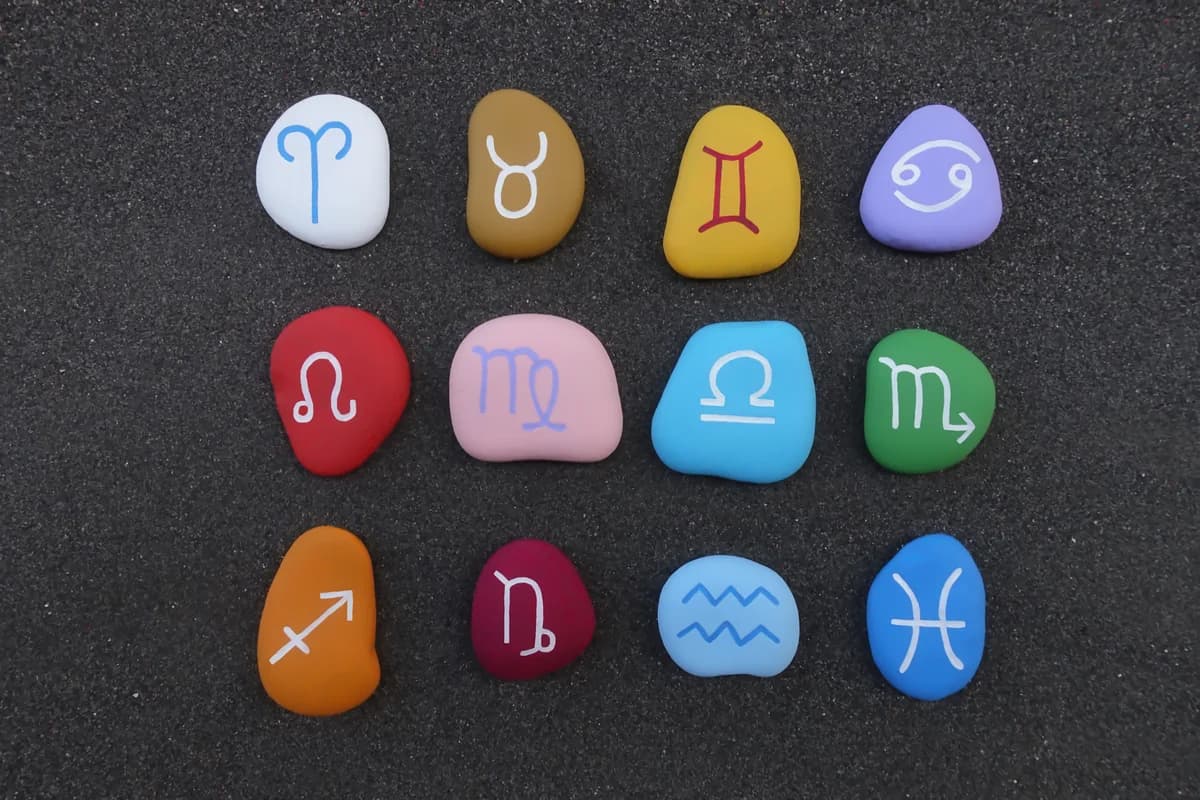
The question 'is astrology real?' usually carries more than curiosity. Sometimes it comes from genuine interest. Sometimes it comes from frustration with bad practitioners. Sometimes it comes from someone who wants certainty from either science or spirituality and feels uncomfortable when the answer is more nuanced. A serious answer needs to address both the scientific critique and the lived reasons people still turn to astrology.
Why science remains skeptical
Modern science asks for controlled evidence, repeatability, and mechanisms that can be tested clearly. Astrology struggles on those terms because it is not built like laboratory physics. Its claims are often interpretive, context-heavy, and influenced by multiple factors rather than one isolated variable.
This is why most scientists reject astrology as an empirically established predictive science. From that viewpoint, astrology has not demonstrated the kind of universal proof required to stand beside chemistry, astronomy, or biology.
That criticism matters, and it should not be ignored. If someone claims astrology is accepted science in the modern research sense, that claim is weak.
Why the conversation does not end there
People still return to astrology because they are not always asking for laboratory proof. Many are looking for pattern recognition, timing insight, emotional framing, or a language that helps them understand a difficult phase.
Astrology has lasted not because it passed a modern scientific standard, but because across cultures people kept finding interpretive value in it. That does not prove every claim. It does explain why the system remains alive.
There is a difference between saying 'science has not proven astrology in a strict predictive sense' and saying 'there is no reason anyone should ever engage with astrology.' Those are not the same statement.
Where astrology can still be useful
A responsible astrologer does not present astrology as a machine that eliminates uncertainty. Good work usually looks more modest. It helps a person clarify themes, timing, pressure points, strengths, and possible remedies or disciplines.
For many people that is already valuable. They are not asking astrology to replace thought. They are asking it to sharpen thought. A strong consultation may help someone see a repeated pattern in career decisions, relationship fear, family tension, or personal timing.
Used that way, astrology functions less like absolute proof and more like a structured interpretive system. Whether someone accepts that will depend on their expectations and standards, but it explains why the practice remains meaningful to many.
What separates thoughtful use from blind belief
The strongest criticism of astrology should be directed at irresponsible use, not at careful inquiry. If a practitioner promises total certainty, manipulates fear, or pushes expensive remedies without explanation, skepticism is justified.
Thoughtful astrology should leave a person clearer, calmer, and more responsible. It should not make them weaker or more dependent. It should never be used to avoid common sense, medical care, legal advice, or personal accountability.
That distinction matters because many people reject astrology based on its worst examples, while many believers defend it without demanding rigor. Both positions miss the middle ground where careful use actually belongs.
A more honest answer to the question
If by 'real' someone means scientifically proven in the strongest modern sense, astrology has not met that bar. If by 'real' someone means meaningful, symbolically rich, and practically useful for reflection and timing, many people would say yes.
That answer is less dramatic than the internet usually prefers, but it is harder to dismiss. It makes space for both critical thinking and lived experience.
A mature approach does not force astrology into science language it cannot fully justify. It asks instead whether the guidance is coherent, grounded, ethical, and actually helpful.
Astrology does not need exaggerated claims to be meaningful. The stronger position is quieter: stay skeptical of weak practitioners, stay open to useful insight, and judge the value of the practice by the clarity and responsibility it creates.
Need Personal Guidance?